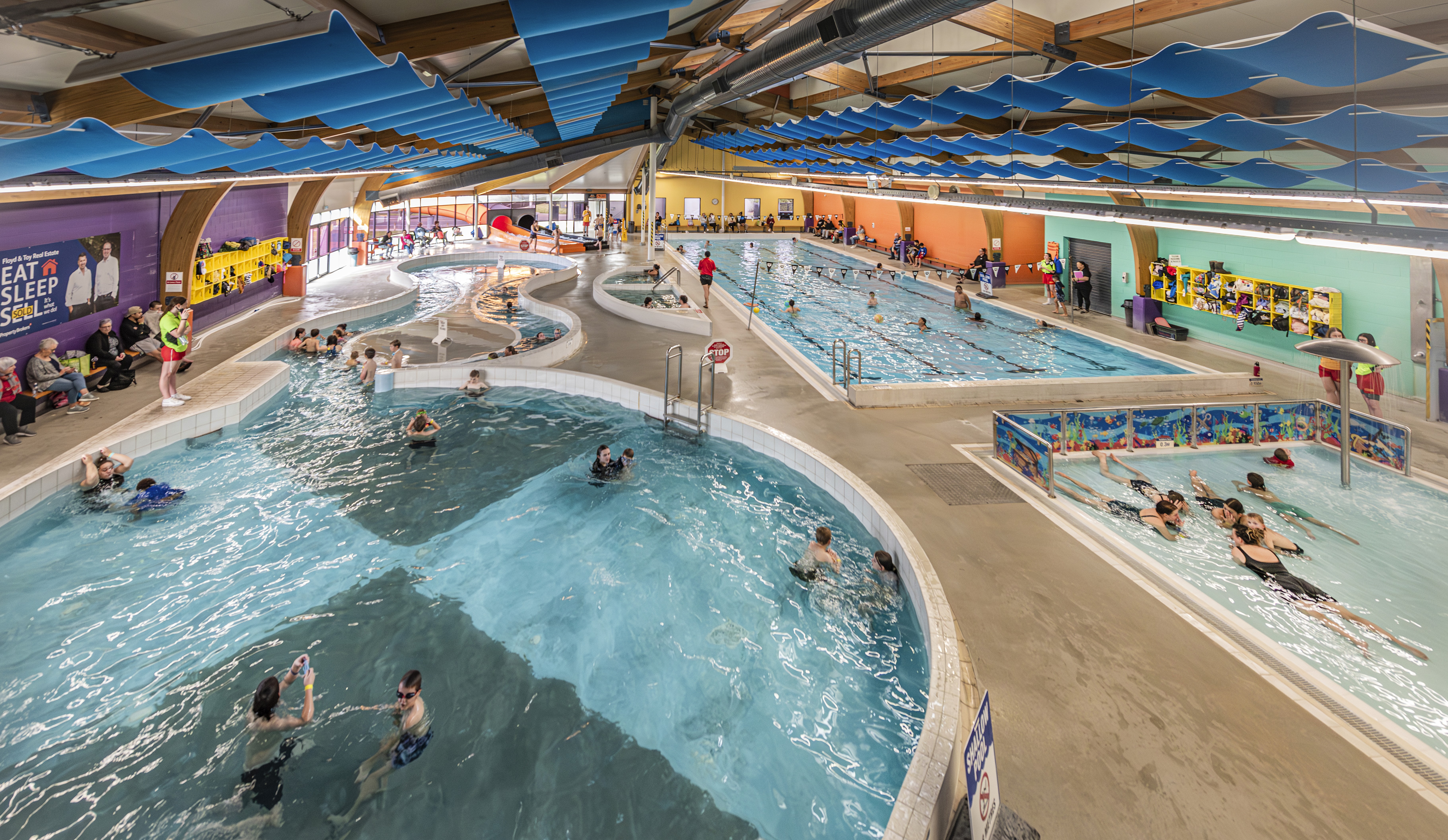
The Challenge
Museums and galleries rely on CCTV networks to protect valuable collections, yet camera health is rarely verified in real time. A single offline, obstructed, or tampered camera can create a blind spot for hours or days before anyone notices — often only discovered after an incident, when it's too late. With a network of significant amounts of cameras, manual checks are impractical, and the risk of an unmonitored gap grows with every additional feed.
The ORTUS AI Solution
Ortus AI deployed CHEQIT across the facility's full 100-camera network to provide continuous, automated camera health verification:
Baseline Capture: CHEQIT establishes a baseline image for every camera, creating a reference point for what each feed should normally show.
Tamper & Alteration Detection: The system continuously compares live feeds against baseline images, flagging any physical tampering, obstruction, or unauthorized repositioning.
Offline Detection: Cameras that drop offline or stop transmitting are immediately identified, closing the gap between failure and discovery.
Scalable Monitoring: A single dashboard view allows staff to monitor the health of all 100 cameras simultaneously, without manual spot-checks.
The Impact
The pilot surfaced real-world issues that would otherwise have gone unnoticed:
Genuine Alteration Detection: CHEQIT flagged multiple cameras as altered, correctly identifying changes to the physical environment — including new exhibits and gallery pieces being hung — that shifted the camera's field of view.
Threshold Tuning: These findings enabled the team to refine the false detection threshold, reducing false positives triggered by routine exhibition changes while keeping sensitivity to genuine tampering or obstruction.
Installation Error Caught: CHEQIT detected a camera that had been installed upside down, an installation fault that had gone unnoticed until flagged by the system.
Eliminated Blind Spots: Camera issues are flagged the moment they occur, rather than being discovered after the fact.
Proven at Scale: Successfully validated across 100 cameras, demonstrating CHEQIT's reliability for large, multi-camera environments and its ability to fine-tune detection accuracy based on real deployment data.
The Challenge
In high-stakes environment like aquatic centers, public spaces, and industrial facilities, human surveillance faces three critical hurdles:
The "Monitor Fatigue" Trap: Security and safety personnel cannot maintain 100% focus on video feeds 24/7. Human error and distractions often lead to missed incidents, particularly "silent drownings" or subtle unauthorized entries.
Hardware Lock-in: Many facilities are burdened by legacy CCTV infrastructure. Upgrading to "smart" systems often requires a costly "rip and replace" of existing hardware, which is financially prohibitive for many organizations.
Data Overload: Traditional systems provide too much noise and not enough signal. Without intelligent filtering, staff are overwhelmed by background movement and false alarms, slowing down actual emergency response times.
The ORTUS AI Solution
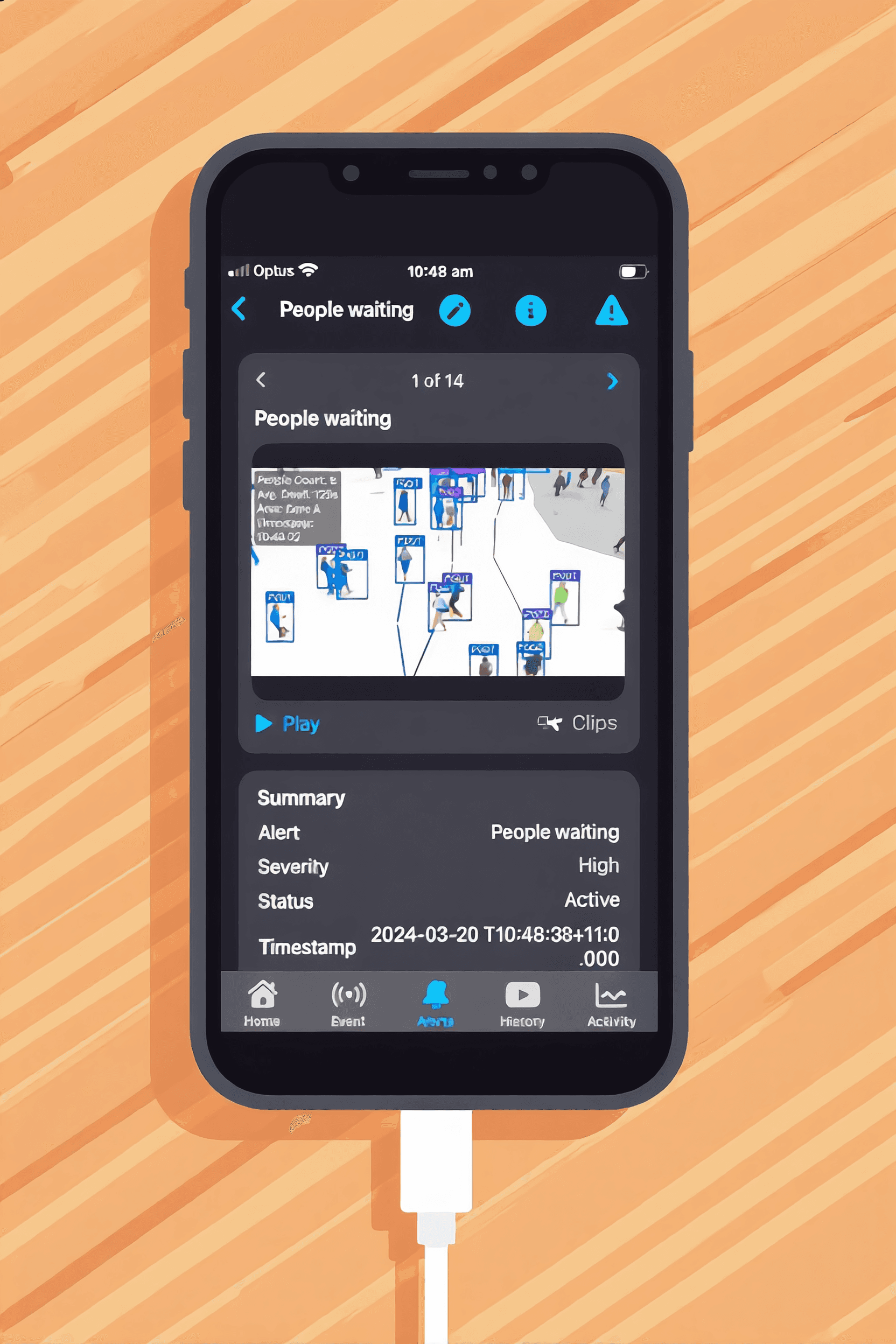
The ORTUS AI “Native” Alert App serves as the mobile interface for a sophisticated "AI Brain," turning existing cameras into proactive safety agents through a multi-industry ecosystem.
1. Intelligent Real-Time Alerting
Instead of passive monitoring, the app uses edge-based AI to filter out environmental noise. It pushes immediate notifications only when specific, pre-defined events of interest occur (e.g., a person in distress or a breach of a secure zone).
2. Specialized Industry Modules
The solution is segmented into targeted modules to meet diverse operational needs:
AquAlert: Specifically tuned to detect swimmers in distress, providing a faster-than-human response to silent drowning events.
X.ZONE: Focused on public safety, threat detection, and managing crowd density.
ortuFiQ: Translates visual data into operational intelligence for queue management and facility flow.
3. High-Fidelity Feedback Loop
When an alert is triggered, the app provides a Live Vision Feed for instant visual verification. This includes a snapshot or live clip of the incident alongside Spatial Context (e.g., "Zone 3 - Deep End"), ensuring responders know exactly what they are walking into and where.
4. "No App Trap" Infrastructure
The architecture is designed to overlay seamlessly onto existing camera systems. This hardware-agnostic approach protects previous investments while providing state-of-the-art AI capabilities.
The Impact
The implementation of ORTUS AI transforms facility management from reactive to predictive:
Drastic Reduction in Response Times: By bypassing the need for constant manual observation, responders are alerted the moment an incident begins, potentially saving lives in aquatic and high-risk environments.
Operational Efficiency: Tools like ortuFiQ allow managers to optimize staffing based on real-time data of facility usage and queue lengths.
Regulatory & Financial Benefits: * Compliance: Built-in tools help organizations navigate the New Zealand Biometric Processing Privacy Code.
Cost Savings: By documenting a higher standard of automated health and safety monitoring, businesses may see a reduction in ACC levies.
Sustainable Scaling: Facilities can modernize their safety protocols without the capital expenditure of a full hardware overhaul.
Case study #3 - Museum & Gallery
The Challenge
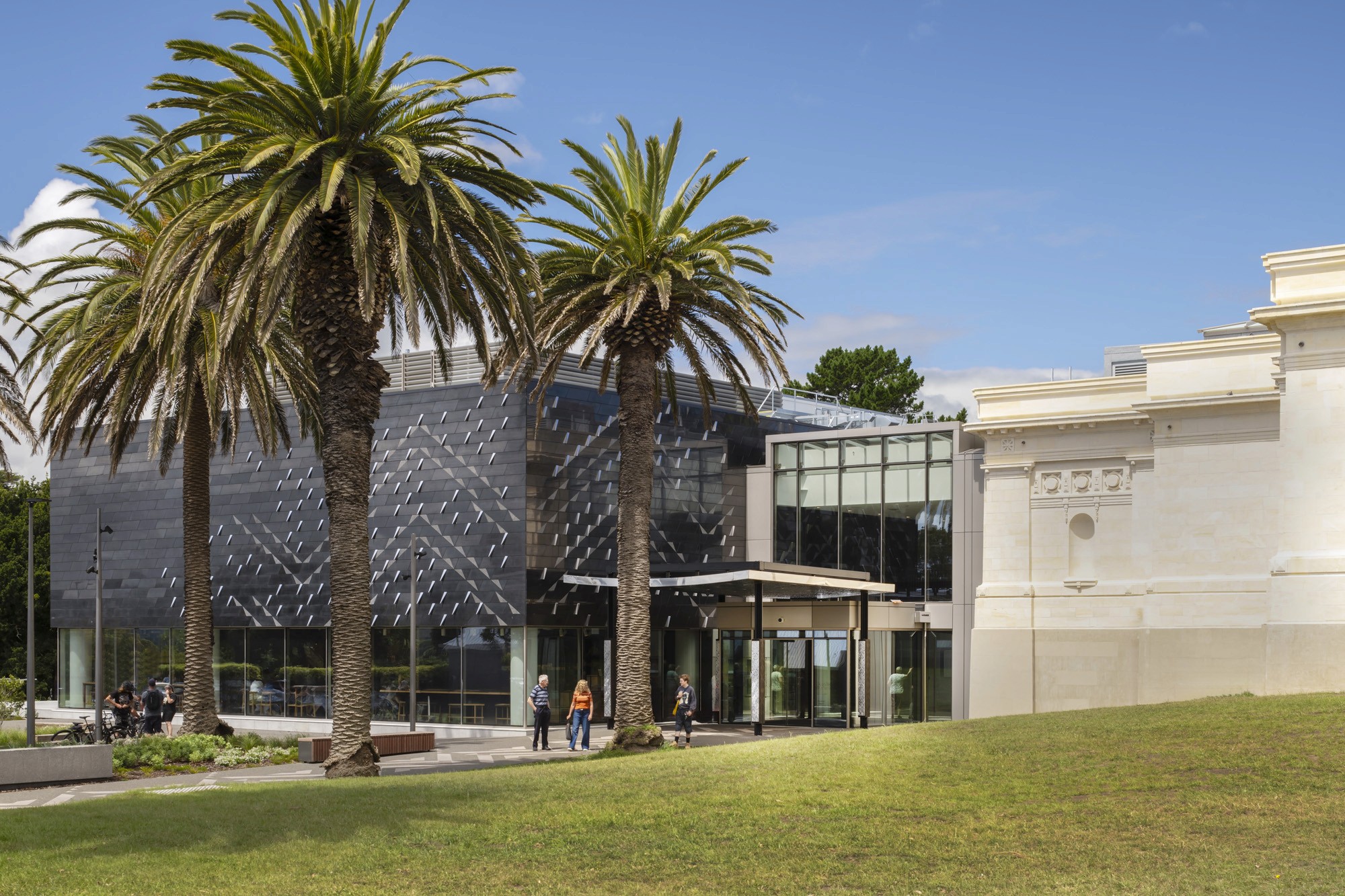
A regional public art gallery needed to move beyond basic headcounts to understand real-time visitor behaviour, Without granular data on movement patterns, demographics, and engagements levels, exhibition planning and operational decision were largely based on intuition rather than evidence.
The ORTUS AI Solution
Ortus AI transformed the gallery’s existing CCTV infrastructure into a dynamic analytics engine, providing:
Precision Tracking: Real-time people counting and movement tracking across the entire facility.
Zone & Floor Plan Mapping: A digital floor plan with custom "zones" allowed staff to monitor live counts and engagement in specific exhibition areas using a single visual feed.
Demographic Insights: Automated age and gender identification to refine audience outreach.
Behavioural Heat Maps: Visual data identifying "hot spots" where visitors congregated and "cold spots" that lacked engagement.
Sub-Second Intelligence: Instant data processing enabled immediate decisions regarding crowd management and staffing.
The Impact
The implementation shifted the gallery toward a data-driven operational model, resulting in:
Optimized Exhibitions: Better layouts and curatorial choices based on actual dwell times.
Improved Flow & Safety: Proactive management of bottlenecks and congestion.
Refined Marketing: Targeted campaigns based on verified visitor demographics.
Resource Efficiency: Smarter staffing and maintenance scheduling based on foot traffic patterns.
Aquatic Centre, New Zealand & Serbia.
Case Study #4 - Aquatic Splash Centre